Buying guides
Herringbone vs chevron flooring: what's the difference?
Both are zig-zag patterns, but one has square ends and one has angled ends. Here's what that means for your room and your budget.
By the Austt Flooring team · · 2 min read
Patterned floors are having a moment, and the two you'll hear about most are herringbone and chevron. They're easy to confuse, but the difference is simple once you see it.
The difference in one sentence
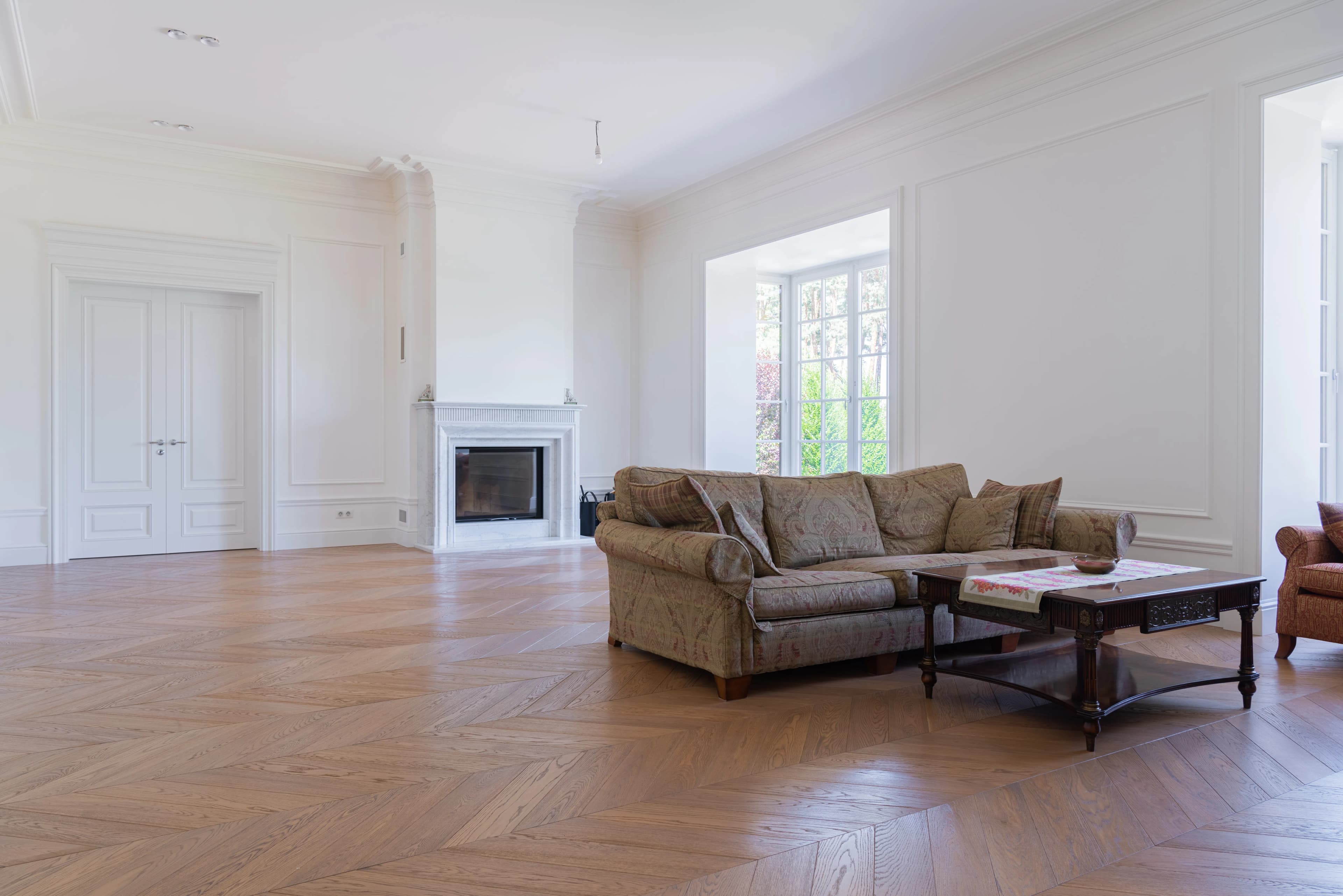
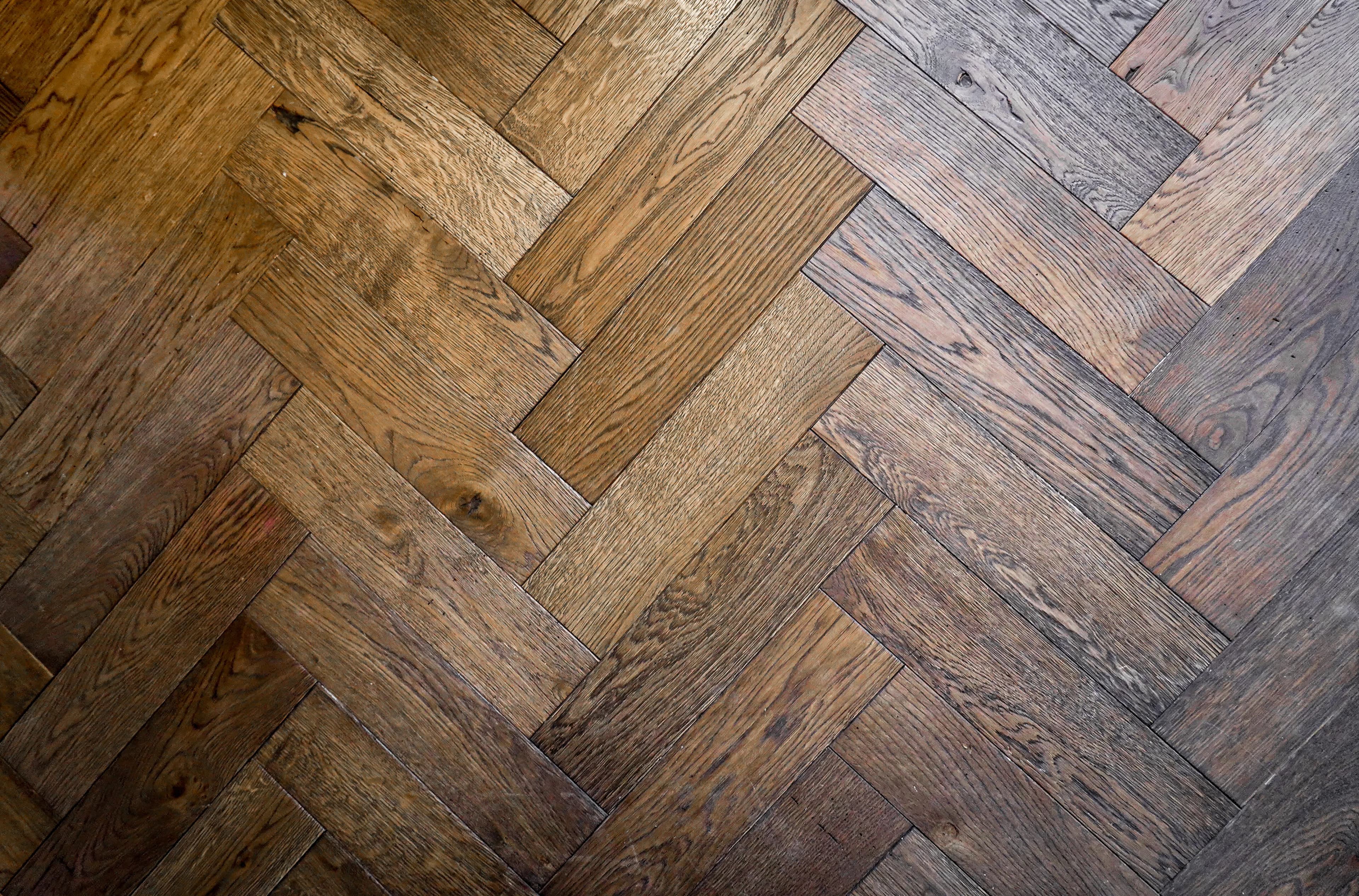
Herringbone uses rectangular blocks with square-cut ends, laid so each block's end meets the side of the next, creating a staggered zig-zag. Chevron uses blocks with ends cut at an angle, so they meet point to point in a clean, continuous V.
| Herringbone | Chevron | |
|---|---|---|
| Block ends | Square cut | Angled (commonly 45°) |
| Look | Woven, textured, traditional | Sharp, directional, modern |
| Wastage | Lower | Higher |
| Product cost | Standard blocks | Usually more — blocks are specially cut |
| Suits | Period homes, living rooms, hallways | Long rooms, contemporary spaces |
Installation
Both patterns are laid from a centre line that we set out on site so the pattern runs true to the main sightline and meets doorways neatly. Both are slower to lay than straight boards and usually glued down to a flat slab or sheet subfloor. That labour, plus wastage, is why herringbone and parquet floors sit at the top of our flooring cost guide.
Solid or engineered blocks?
Both patterns are available in solid timber and in engineered timber. Engineered blocks are more stable and more common today; solid blocks are traditional and can be resanded many times.
Borders make it look finished
A single or double border around the pattern frames the floor and makes junctions with other rooms look deliberate rather than cut off. It's a small extra that makes a big difference in entries and living rooms.